

Manitoba’s northern region is on the brink of securing long-term protections for a vast and diverse ecosystem that has been a topic of discussion between the province and Ottawa for years. In 2022, during the United Nations COP15 biodiversity conference, the federal and Manitoba governments, along with the Seal River Watershed Alliance, revealed plans to collaborate on a comprehensive management strategy for the 260-kilometre-long Seal River that traverses northern Manitoba into Hudson Bay.
Following a study initiated in 2024 to determine the optimal approach for safeguarding the river’s pristine waterways, wetlands, and boreal forest ecosystems rich in wildlife, Manitoba Environment Minister Mike Moyes, leaders from four First Nations sharing ancestral lands within the watershed, and federal officials declared their commitment to supporting the conservation of the Seal River for the future. The province pledged a $4 million endowment towards this initiative.
Proposals for managing the watershed through a series of protected areas are being considered by Manitoba, Parks Canada, and the Seal River Watershed Alliance. They have invited public feedback on these plans that aim to ensure the sustainability of lands and waters, respect Indigenous ways of life, and welcome visitors to northern Manitoba.
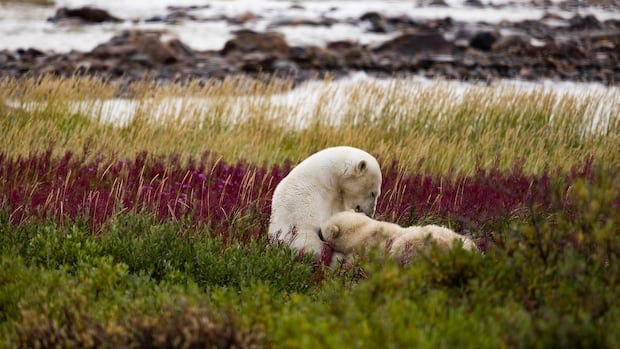
The Seal River watershed, named after the presence of harbour seals up to 200 kilometres inland from where the river empties into southern Hudson Bay, spans a massive 50,000-square-kilometre area, larger than Denmark and among Earth’s most extensive regions. It is home to various species at risk, including polar bears, grizzly bears, wolverines, barren-ground caribou, and numerous bird species.
Moreover, the interconnected wetlands linked to the river not only support local communities but also play a crucial role in combating climate change by acting as carbon sinks. These wetlands absorb and store carbon dioxide from the air, aiding in reducing greenhouse gas emissions.
Failure to conserve these essential ecological services could have significant economic repercussions for Manitoba, with projected annual losses of $4 billion by 2050 due to climate change impacts. The Seal River Watershed Alliance, comprising members from Indigenous communities, is dedicated to protecting the Seal River and expanding eco-tourism opportunities, especially for youth involved in environmental stewardship.
As part of the conservation efforts, a public consultation period has been initiated to gather input on proposals to establish an Indigenous Protected and Conserved Area encompassing the entire watershed. The plans involve designating two-thirds of the area as a provincial park and the remainder as a national park reserve. Manitobans are encouraged to share their opinions during the public consultation period running from April 17 to June 2.