

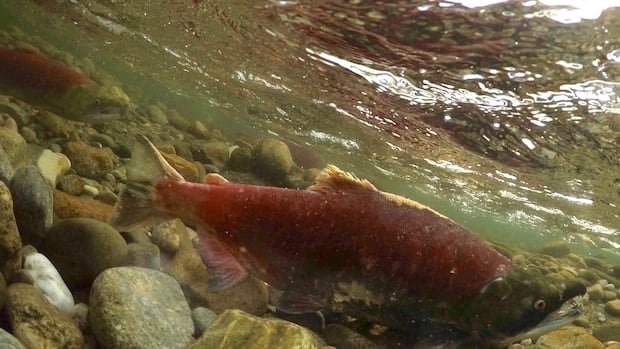

Experts warn that reduced snowpack levels on Vancouver Island could place additional strain on salmon populations already facing challenges from habitat degradation, overfishing, and rising water temperatures.
According to the latest provincial snowpack assessment, Vancouver Island’s levels are at only 44 percent of the normal amount as of April 1.
The diminished snowpack implies that the snow will melt rapidly in the upcoming spring, leading to decreased water levels and potential drying of pools critical for adult salmon returning to rivers from their spawning areas in the fall.
Scientists recommend collaborative efforts between the province and local communities to safeguard watersheds, salmon habitats, and address climate change impacts to support the struggling salmon populations.
Aaron Hill, the executive director of the Watershed Watch Salmon Society, expressed concerns over the low snowpack and emphasized the risk posed by warmer summer temperatures, potentially creating unfavorable conditions for salmon.
Hill highlighted a recurring cycle of droughts and floods in the province, which intensifies pressure on salmon populations.
Tom Balfour, a habitat biologist at the Redd Fish Restoration Society, raised alarms about possible die-offs in juvenile salmon pools during the summer due to reduced water levels, which could have cascading effects on larger salmon groups.
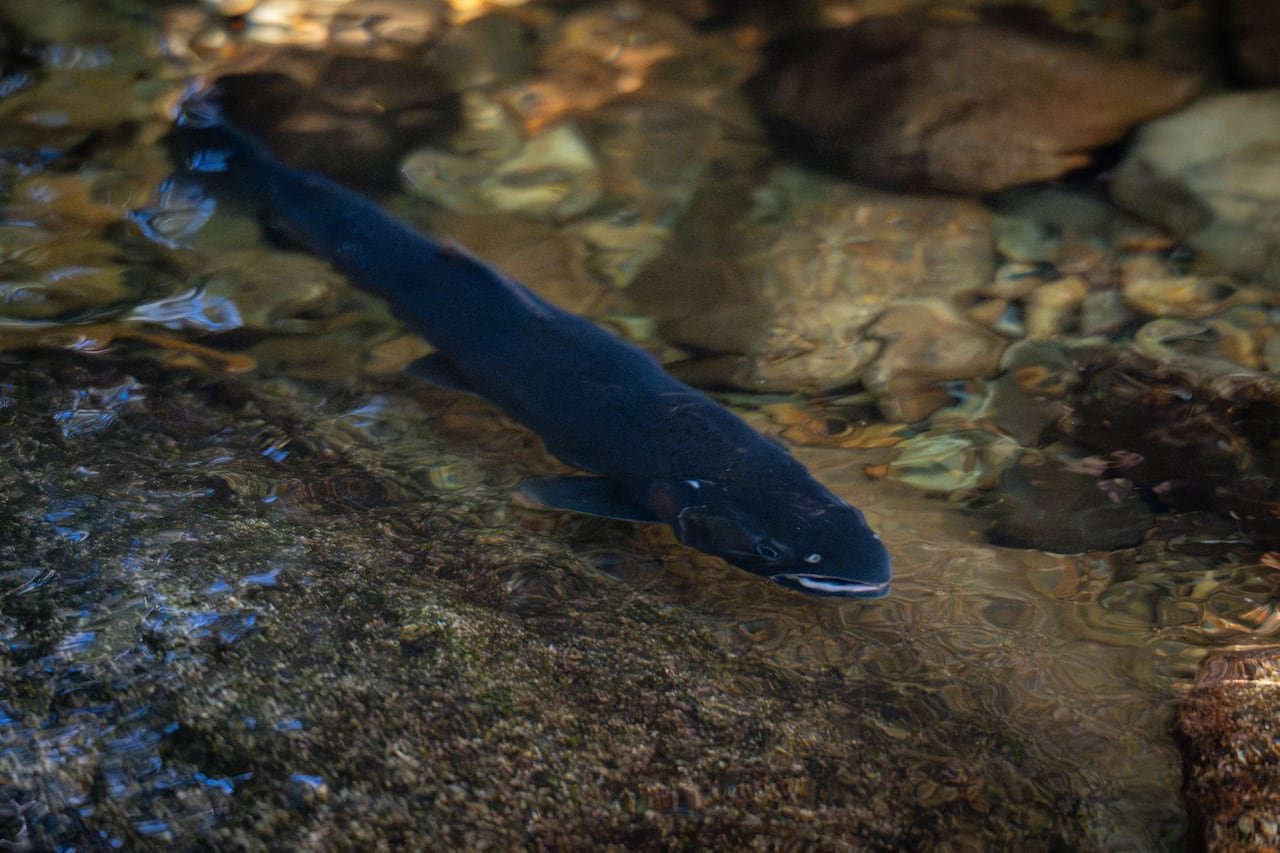
Balfour highlighted the accelerated snowmelt as a result of reduced snowpack levels, which can significantly impact the salmon’s life cycle as they adapt to increased water flow in the spring.
He urged for enhanced monitoring and proactive measures by governments to conserve and restore watersheds, emphasizing the importance of public vigilance in detecting and reporting environmental changes.
John Richardson, a professor at the University of British Columbia, underscored the vulnerability of salmon to predation in water bodies with lower volumes due to diminished snowmelt, advocating for maintaining tree cover near smaller streams to provide essential shade and habitat.
Richardson stressed the importance of stream shading as a climate-proofing measure to mitigate the adverse effects of rising water temperatures on salmon, especially in smaller streams that feed into larger water bodies.
Aaron Hill called for increased provincial involvement in drought planning and prevention, urging support for local governments and First Nations to develop sustainable water management plans to minimize drought impacts.
Tag: rewrite-pending