

Sherritt International Corp. has decided to halt operations at its Fort Saskatchewan refinery in Alberta due to a depletion in the feed inventory supplied from its Moa mine in Cuba. The company plans to keep the shutdown in place until mining and processing activities resume at Moa and the refinery feed pipeline is reconstructed. Fortunately, no jobs were impacted by these operational challenges.
A spokesperson for Sherritt mentioned that they are actively working on reestablishing the feed pipeline as quickly as possible. In the meantime, the refinery continues to produce fertilizers and sulphuric acid for sale, with maintenance tasks planned to engage Sherritt’s workforce in Alberta effectively.
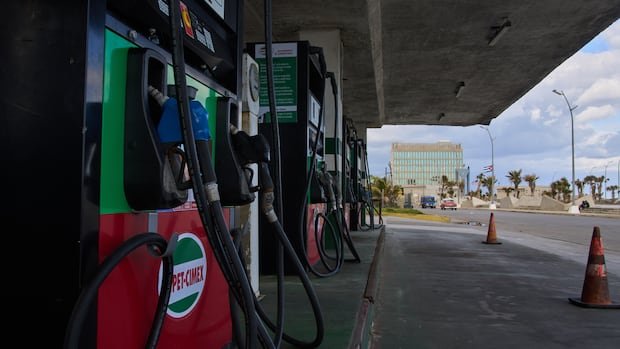
Earlier this year, operations at Sherritt’s Moa joint venture in Cuba were put on hold due to fuel shortages in the country following the U.S. oil access cut from Venezuela in January. Colin Fagan from the Fort Saskatchewan chamber of commerce acknowledged the region’s economic difficulties caused by external forces beyond local control over the past decade.
Sherritt’s joint venture in Cuba involved mining and processing ore into mixed sulphide precipitate containing nickel and cobalt, which was then sent to the refining facilities in Alberta. The refinery, noted as one of the oldest processing projects in North America by Richard Hiller, the future materials alliance director at the Energy Futures Lab, is a vital asset producing high-grade cobalt in the region’s industry growth.
Sherritt is currently engaged in discussions with its lenders, expressing uncertainty in repaying its debts if accelerated by creditors before maturity. The company’s ability to refinance or extend its debts under the present circumstances remains uncertain.
Moreover, Sherritt has entered a non-binding agreement with Gillon Capital LLC, a family office associated with a former Trump administration adviser, to potentially acquire a majority stake in the company. As per company data, Sherritt’s Fort Saskatchewan refinery facilities have an annual capacity of approximately 38,200 tonnes of nickel and cobalt production.