


Electric ferries worldwide are increasing in size, strength, and are now covering longer distances. In Canada, many ferry services are transitioning to electric power, especially for longer routes. New electric ferry services are being introduced in cities like Vancouver, Halifax, and Toronto, with Toronto’s service expected to commence this fall.
Despite the capability of some Canadian ferries to operate solely on batteries, they still rely on fuel due to the challenges of setting up charging infrastructure. This article delves into the growing trend of ferry electrification in Canada.
The International Maritime Organization aims to reduce greenhouse gas emissions from ships, including ferries, by 40% by 2030. Ferries, with their short and consistent routes, are ideal candidates for battery electrification, which is projected to be more cost-effective than fossil fuels by 2035. This shift to electric ferries is also expected to significantly decrease air pollution in major ports.
Toronto’s decision to replace its diesel-powered ferries with battery-electric ones was driven by a climate emergency declaration in 2019. The upcoming electric ferries are anticipated to offer a more pleasant experience for passengers and residents, with reduced noise and emissions.
Approximately 40% of ferries ordered globally in May 2025 were electric or hybrid-electric, indicating a strong trend towards electrification. In Canada, the electrification journey of ferries began nearly two decades ago with short cable ferries. The move towards electrifying larger ferries on longer routes presents challenges due to the increased distance and size requirements.
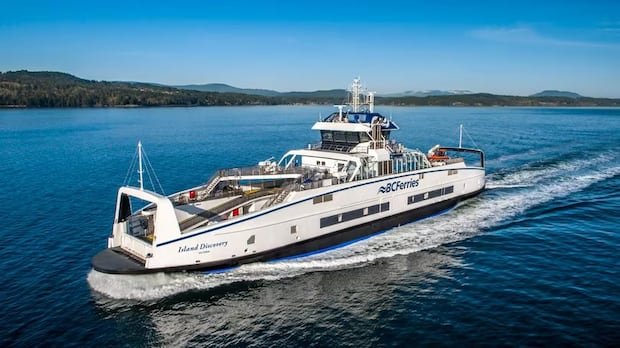
Hybrid ferries are being used as an interim solution by many operators as they await the development of charging infrastructure. B.C. Ferries, for instance, has incorporated hybrid-electric ferries on certain routes and plans to fully electrify them once shore charging is established. The company is also investing in larger diesel-electric vessels that will initially run on biodiesel and renewable diesel.
While progress is being made in ferry electrification, challenges such as funding and infrastructure development hinder a faster transition. Despite this, the benefits of electrifying ferries, including lower maintenance, reduced emissions, and energy cost savings, make it a compelling and inevitable shift in maritime transportation.