

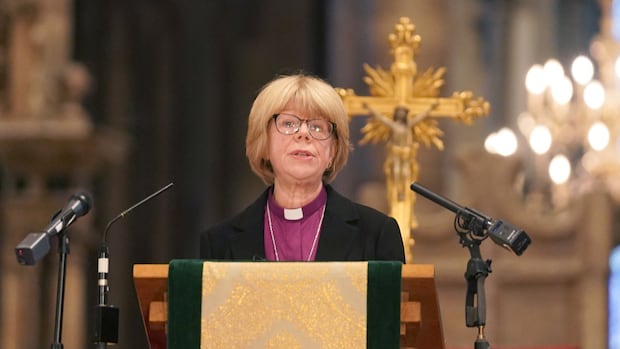

The Church of England extended an apology on Thursday for its part in enforced adoptions that took place as recently as the mid-1970s, recognizing the distressing experiences of many single women in mother and baby homes linked to the church throughout the United Kingdom.
Archbishop of Canterbury Sarah Mullally, marking her position as the first woman to head the church and regarded as the spiritual leader of the global Anglican Communion, delivered the apology while the church published a report detailing the situations in these homes from 1949 to 1976.
The report revealed that numerous women and girls were compelled to perform menial tasks as a form of “correction” for having children outside of marriage, with their infants sometimes treated as commodities to satisfy the demand for adoption.
“We are deeply sorry for the pain, trauma, and stigma that many individuals have endured — and continue to bear — due to historical adoption practices in homes associated with the Church of England,” stated Mullally. “We have listened to the personal accounts of mothers who were separated from their infants in situations where they had very limited choices.”
According to the report, approximately 185,000 children born to unmarried mothers were placed for adoption in England and Wales during the specified timeframe. This era was marked by a “culture of shame, stigma, and secrecy” surrounding unmarried mothers and their offspring, even as societal attitudes towards sex and marriage were beginning to evolve.
-
More than 300,000 Canadian mothers were forced to give up their babies. They are waiting for an apology
-
Irish PM issues state apology after damning report on mother, baby homes
Despite church policies indicating that unmarried women had the right to retain their children and that the children had a right to stay with their mothers, staff frequently disregarded this guidance and collaborated closely with adoption agencies, according to researchers.
The church also acknowledged that there were instances where “prejudice — including based on race and disability — influenced and defined the experiences and outcomes” for these individuals.
The report stated that the guidance “coexisted with language that reflected dehumanizing and dismissive attitudes, falling short of the expectations for anyone under the church’s care, especially those who were made particularly vulnerable by their situations.”