

Cuban legislators have unanimously endorsed extensive reforms supported by the Communist Party and former leader Raúl Castro, aimed at privatizing a significant portion of the socialist economy in response to stringent U.S. sanctions.
If enacted as proposed, these changes would mark the most substantial modification to Cuba’s socialist framework since Fidel Castro’s revolution in 1959, signaling a significant turn towards a market-driven economy.
The reforms pave the way for private real estate development on the island, convert state-owned enterprises into private businesses with shares and equity participation, and permit private banks to join Cuba’s previously state-controlled financial sector.
Additionally, they would allow the “sale of state-owned assets to both national and international legal entities and individuals, including Cubans living abroad,” as noted in the televised briefing for lawmakers — a significant shift in a nation where the government has historically maintained control over land and industry.

Air Canada, Air Transat, and Sunwing Vacations, along with a consortium that includes WestJet, have announced the indefinite suspension of Canadian flights to Cuba. Air Transat cited the “current geopolitical situation in Cuba” as the reason for this decision. Canada’s major airlines had previously suspended flights to Cuba in February. Cuban-Canadians in Toronto express concern for family members facing uncertainties related to electricity and gas shortages in the country. The CBC’s Lorenda Reddekopp reports.
In a speech just before Thursday’s vote, Cuban President Miguel Díaz-Canel urged lawmakers to maintain their faith in Cuba’s socialist heritage.
“What we are discussing is the challenge of how to advance the process of socialist construction, which has endured the longest blockade in history from the world’s most powerful nation,” Díaz-Canel stated, referring to U.S. sanctions.
“We are not abandoning socialism.”
Prime Minister Manuel Marrero explained to legislators that the reforms acknowledge the market as “a tool for the effective distribution of resources,” a notable admission from a Communist Party official in Cuba.
However, he too framed the proposed alterations as consistent with Cuba’s socialist foundations.
“These changes do not represent a departure from our socialist agenda; rather, they align with its evolution,” Marrero remarked. “The updating of the economic and social model aims fundamentally to enhance the living standards of our fellow citizens.”
The extensive list of over 175 initiatives, presented during a nearly two-hour address by the prime minister, received unanimous approval from the National Assembly late on Thursday afternoon.
It remains unclear how swiftly — or through what means — the extensive new initiatives will be executed, leaving many questions unresolved following the legislative decision.
Pressure from U.S.
Many of the proposed measures aimed at liberalizing Cuba’s economy have emerged, both domestically and internationally, over the years, but intense pressure from the United States has once again brought them to the forefront.
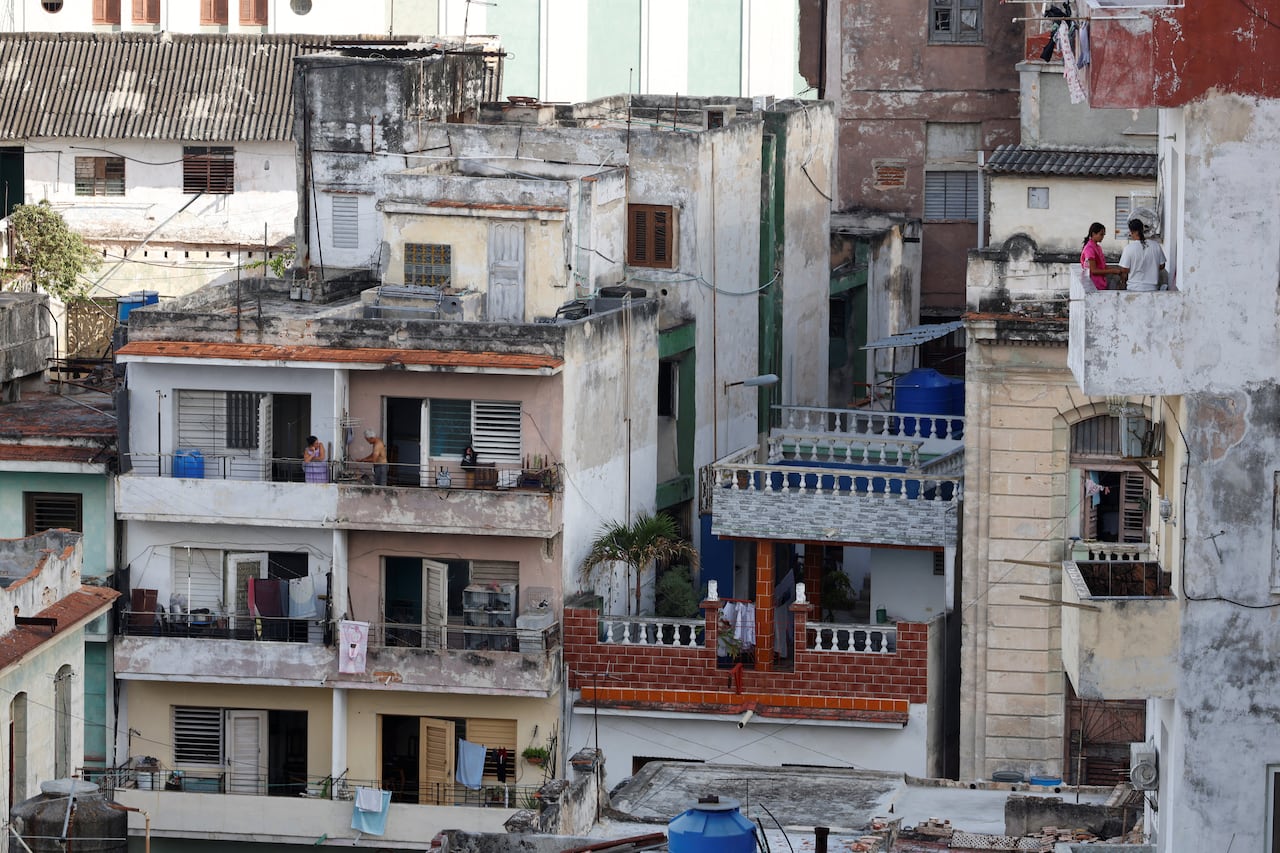
Individuals are seen conversing on balconies during a blackout in Havana on Wednesday. (Norlys Perez/Reuters)
Cuba’s state-controlled economy, characterized by bureaucracy and inefficiency, has struggled to meet the needs of its populace since the Soviet Union’s collapse, which had long supported Cuba’s version of socialism.
However, severe sanctions from the Trump administration — including an extended oil embargo — have left Cuba with limited options, crippling its already weakened economy, driving away foreign investment, and severely impacting the vital tourism sector.
Díaz-Canel informed lawmakers that the choice to open Cuba’s economy was “not tied to negotiations” between the two nations, which began earlier this year but seem to have stalled.
The U.S. State Department did not immediately reply to a request for comment.
Longtime Communist Party leader Raúl Castro — indicted in May in the United States — endorsed the reforms, which would reverse many socialist policies enacted after the 1959 revolution.
In a letter presented to the politburo on Wednesday and later to lawmakers on Thursday, he described the reforms as “advantageous” and urged their rapid implementation.
More possibilities for private enterprise
The transformative package would significantly reduce the role of state-run enterprises in Cuba while promoting private entrepreneurship that has long been constrained by a cautious bureaucratic state.
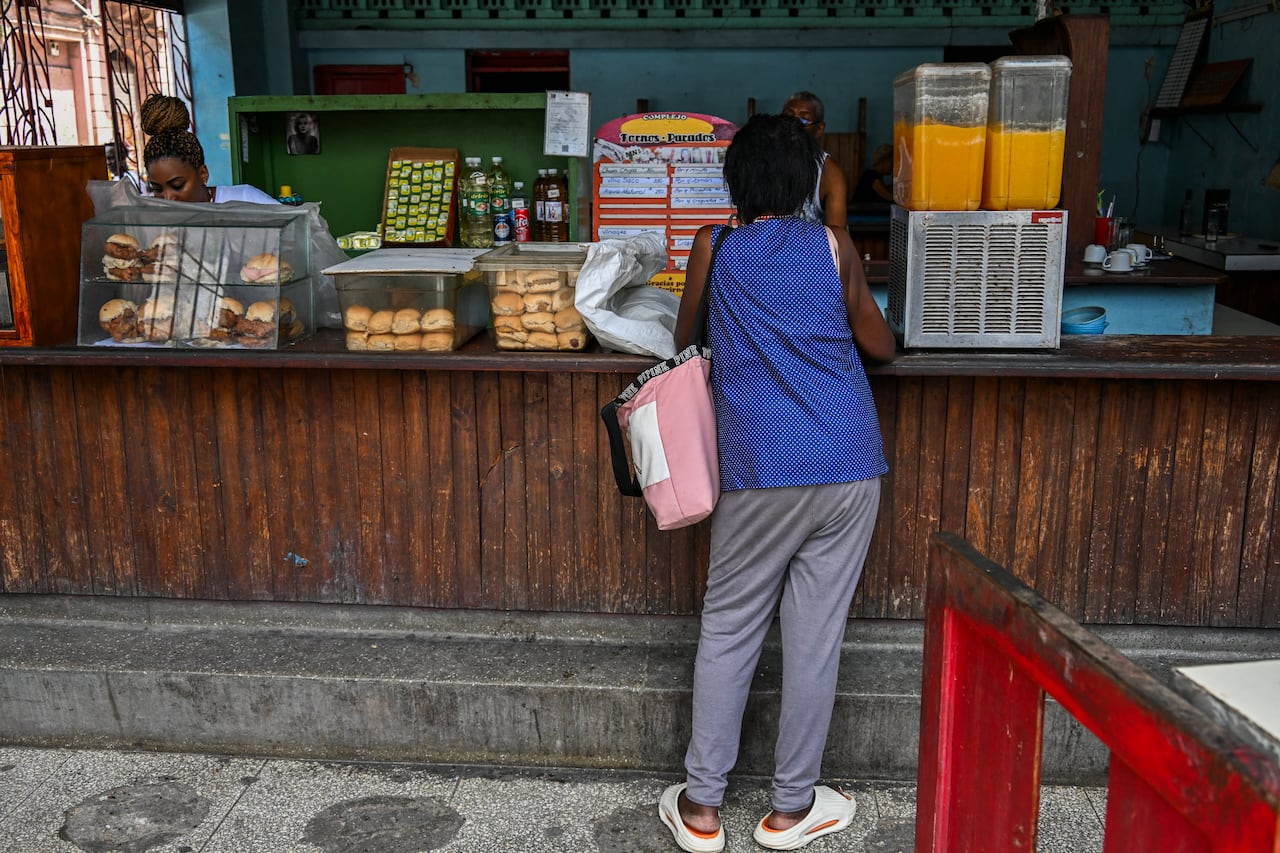
A woman purchases food at a private store in Havana on Thursday. (Yamil Lage/AFP/Getty Images)
For the first time, businesses in Cuba would be allowed to hire more than 100 staff members. Entrepreneurs would also be permitted to own multiple private enterprises — another unprecedented move.
Marrero indicated that the movement of private capital would be supported by a more agile, state-regulated private banking system as well as a real-time digital foreign exchange market with authorized intermediaries.
Historically, Cuba has provided its citizens with heavily subsidized public services, such as free or affordable education, healthcare, and transportation. However, many of these services have deteriorated in recent years due to government inefficiency and an ailing economy.
The new policies would introduce a fresh taxation framework and hold both public and private sector businesses, including foreign and domestic entities, partially accountable for funding public services.