

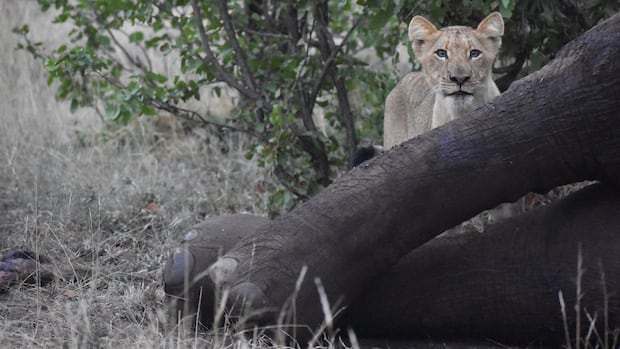


On the sun-drenched expanses of the African savannah, elephants are imparting a fresh perspective on life after death.
This notion arises from a recent study conducted by a global team of researchers who explored the locations of elephant remains in Kruger National Park, South Africa.
These magnificent grey creatures — often termed “ecosystem engineers” — are recognized for their ability to alter the savannah during their lifetimes by digging waterholes, toppling trees, and consuming vast amounts of plant life. This much was already established by researchers.
“What we were uncertain about was whether the significant impacts they have while alive could extend beyond their death,” stated ecologist Courtney Reed, the study’s primary author, during an interview with As It Happens guest host Dave Seglins.
“Their remains are rich in nutrients, including vast amounts of carbon, nitrogen, and phosphorus. We aimed to determine if the nutrients from these carcasses could continue influencing the ecosystem.”
The results were released on Monday in the Proceedings of the National Academy of Sciences of the United States of America. Reed, who is now affiliated with Princeton University, carried out this research while serving as a post-doctoral researcher at the University of California Santa Barbara.
Cycle of renewal
Through the examination of soil chemistry, biodiversity, and animal grazing patterns surrounding the large carcasses, the team discovered that decomposition released “substantial amounts of nutrients” into the soil. This process boosted microbial activity and facilitated the growth of nutrient-dense plants, drawing herbivores to the area long after the elephant remains had decayed.
The researchers found that the consequences of decomposition persist for over seven years following an elephant’s demise.
However, this surge of regrowth and biological activity does not occur immediately. In fact, the high nutrient levels from the carcasses initially eliminate vegetation at the site, resulting in large bare areas or “cold spots” in biodiversity, according to Reed.
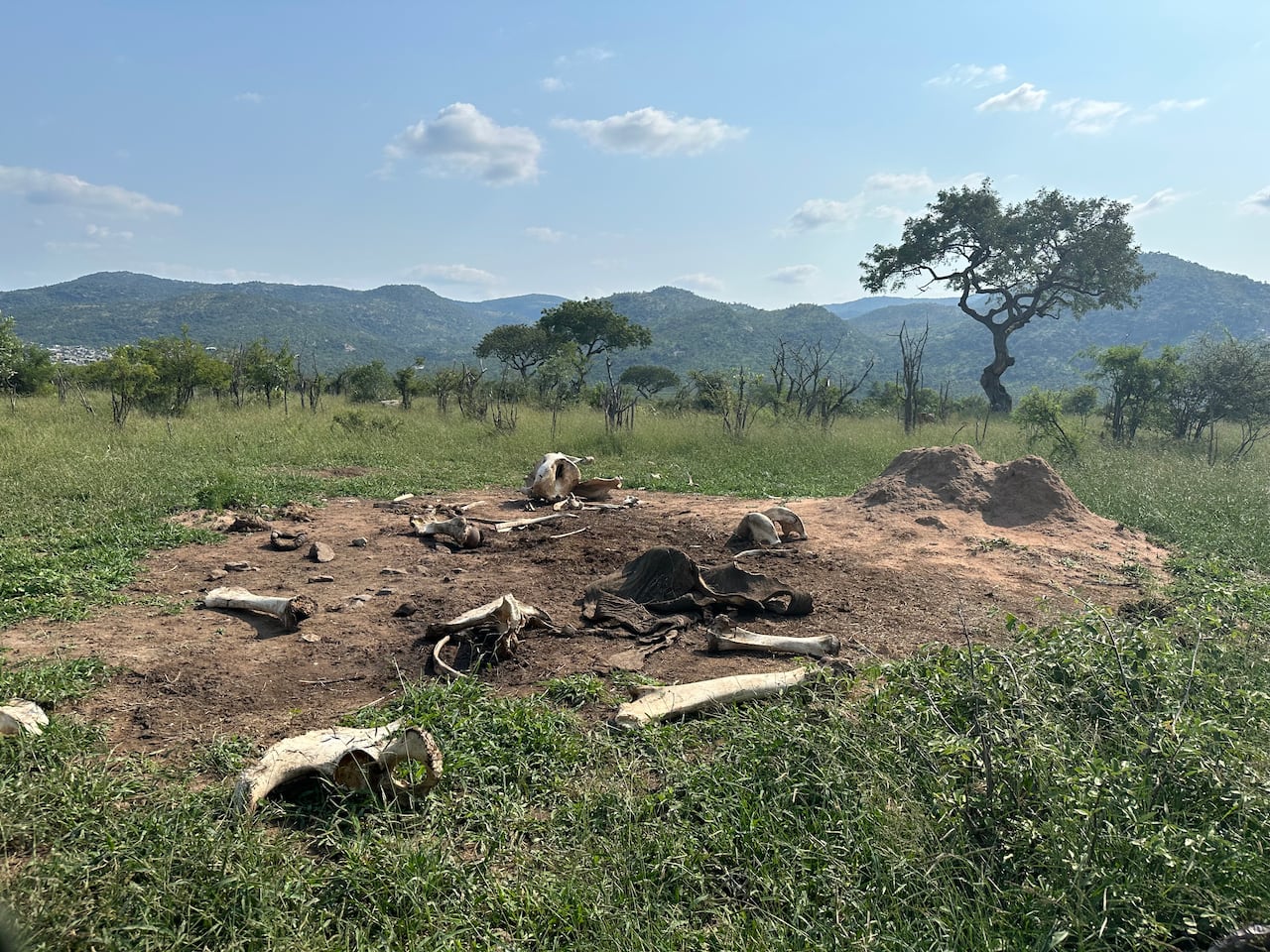
The research revealed that the high nutrient concentration in elephant carcasses initially destroys nearby vegetation during decomposition, resulting in significant bare areas or ‘cold spots’ in biodiversity. (Submitted by Courtney Reed)
“Having too much of a beneficial thing can be detrimental,” she noted. “You experience this substantial influx of nitrogen, often as ammonium, which can be toxic to plants at extremely high levels.”
Over time, however, Reed explains that the ecosystem starts to rebound as the excess ammonium diminishes and bacteria convert a portion of it into nitrate, a nitrogen form that plants can absorb more effectively.
Reed mentions that the returning vegetation is particularly rich in nitrogen, which serves as a vital protein source for herbivores.
“Then herbivores such as zebras, buffalo, and rhinos arrive and selectively graze on these nitrogen-rich grasses,” she explained. “This leads to a surge in herbivore activity that lasts for several years after the elephants have passed.”
Moreover, the advantages do not end there. Researchers found that grazing animals continue to frequent these burial sites even years later, further enriching the soil with their droppings.
For Reed, this cycle of renewal represents a crucial insight from the study: the potential for positive feedback mechanisms to continue influencing the ecosystem long after the elephants have died.
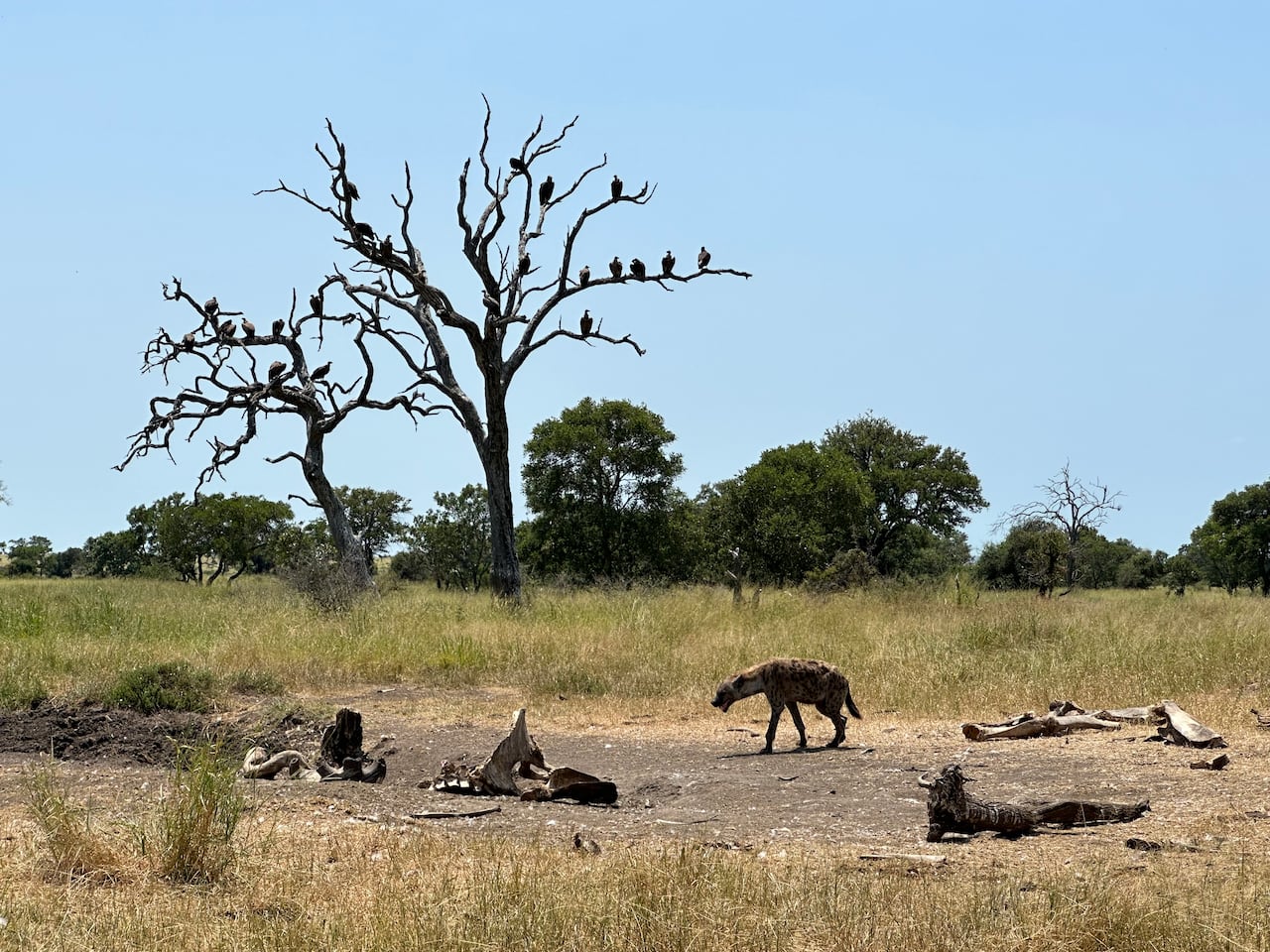
The study found that grazing animals and scavengers continue to visit the carcass sites for years afterward, enriching the soil through their waste. (Submitted by Courtney Reed)
However, the ecological impact of an elephant carcass may not always be beneficial across all environments, suggests an expert not affiliated with the research.
Chase LaDue, an elephant ecologist and research curator at the Oklahoma City Zoo, pointed out that the findings of the paper underscore the delicate balance required for ecosystems.
In the African savannah, where natural disturbances help shape biodiversity, an elephant carcass can support the ecosystem, he noted. However, if the habitat has been compromised by human encroachment, such carcasses may instead upset the ecological balance.
“If a significant number of elephants die in a concentrated area, it can have a negative impact on biodiversity that might not occur in a larger, less disturbed landscape,” LaDue explained.
“Southern Africa currently hosts more elephants than the ecosystem can sustain, which may contribute to ongoing negative effects on the landscape even after the elephants have died due to human activities.”
Tag: rewrite-pending