


Countries around the world are demonstrating successful transitions to renewable energy, showcasing the benefits and feasibility of reducing reliance on fossil fuels. While oil, coal, and gas still dominate the global energy supply, many nations are actively diversifying their energy sources to mitigate the risks associated with fossil fuel dependence and combat climate change.
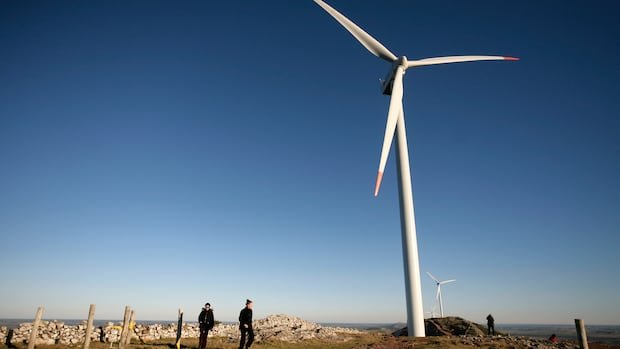
Uruguay, for instance, previously heavily dependent on imported fossil fuels, made a remarkable shift towards renewables driven by rising oil prices and energy demand. By strategically investing in wind farms, biomass, and solar power, Uruguay now generates almost 40% of its electricity from renewable sources. The country’s rapid transition to 90-99% renewable electricity serves as a model for achieving energy security through a diverse mix of resources.
In Kenya, the focus has been on expanding access to electricity and transitioning to 100% renewable power by 2030. With significant progress already made, particularly in geothermal energy, Kenya is on track to achieve its ambitious renewable energy goals. The country’s emphasis on clean, reliable power sources like hydro, wind, and solar illustrates the potential for sustainable economic growth in developing nations.
Meanwhile, Pakistan underwent a remarkable clean energy transformation catalyzed by incentives for solar energy adoption. In response to escalating natural gas and electricity prices, the country witnessed a five-fold increase in solar power generation, with an estimated 20% of its electricity now sourced from solar installations on rooftops. This distributed solar approach has not only enhanced energy resilience but also led to substantial cost savings, underscoring the benefits of decentralized renewable energy systems.
The success stories of Uruguay, Kenya, and Pakistan underscore the importance of political will, public engagement, and a clear vision for transitioning to renewable energy. These countries have effectively communicated the advantages of clean energy for the environment, energy security, and economic stability, setting a positive example for global energy transition efforts.