



Researchers at the University of Guelph are optimistic that they have discovered a way to enhance the resilience of queen bees, potentially linked to their gut health.
Similar to humans, the gut microbiome of bees is crucial for aiding digestion, regulating the immune system, and combating harmful bacteria. Gaining insights into this system could lead to improved resilience in both domestic honey bees and their queens.
“Our goal is to gain a deeper understanding of how the microbiome influences success during the winter months,” stated Brendan Daisley, a postdoctoral researcher at the university, to CBC News.
Daisley’s work is part of a broader initiative he launched known as the Canadian Bee Gut Project, which collaborates with beekeepers nationwide to analyze the microbiomes of honey bees through a vast number of samples.
The focus of this research is now shifting towards domestic queen bees.
“Our findings indicate that the gut microbiome of honey bees plays a vital role in their resilience against various stressors, and we see it as a crucial element that could significantly enhance the resilience of domestic honey bee populations in Canada,” he explained.
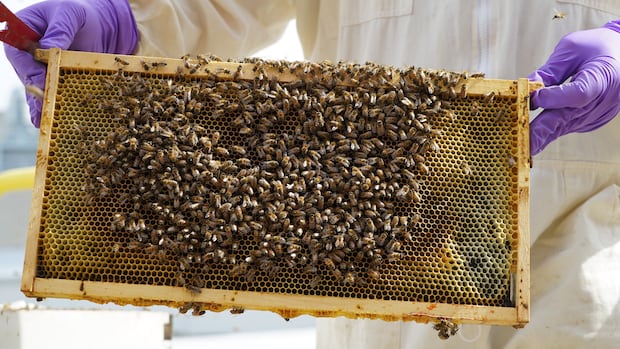
Researchers at the University of Guelph aim to lessen Canada’s reliance on imported queen bees by enhancing the understanding of their gut health. According to Brendan Daisley, Canada imports as many as 300,000 queen bees annually to fulfill domestic needs. He believes that insights into the gut health of local queen bees could provide significant answers regarding the overall resilience of bee colonies.
Canadian beekeepers rely on the import of approximately 300,000 queen bees each year from countries such as Italy, Chile, and the United States to meet local demand, as reported by Statistics Canada.
This necessity arises from an ongoing sustainability crisis in Canada, where honey bee colonies have been perishing at alarming rates for over ten years, according to Daisley.
A report from the Canadian Association of Professional Apiculturists in 2025 revealed that nearly 40 percent of colonies across the country failed to survive the winter.
Challenges Faced by Imported Queens
In response to these losses, Canada imports new queens from various regions, primarily warmer climates, to establish or replenish colonies, Daisley noted.
However, many of these queens encounter difficulties upon arrival due to their lack of acclimatization to Canadian winters and conditions, unlike local queens.
“We introduce them to create a new colony, yet this colony is often mismatched with Canada’s forage, pathogens, and seasonal challenges,” Daisley explained.
“Their genetics are adapted to warmer environments, so when they arrive here, their offspring, which are the worker bees, are not suited for the colder climate and winter survival.”
Daisley mentioned that extensive research has been conducted on the genetics of honey bee hosts, particularly in breeding initiatives aimed at enhancing resilience.
This is a key reason why the Ontario Beekeepers’ Association (OBA) encourages local beekeepers to use domestic bee populations, according to Melanie Kempers, the association’s general manager.
She noted that bees imported from other regions are often more susceptible to stress and typically exhibit weaker immune systems due to the long-distance transport, complicating their recovery upon arrival.
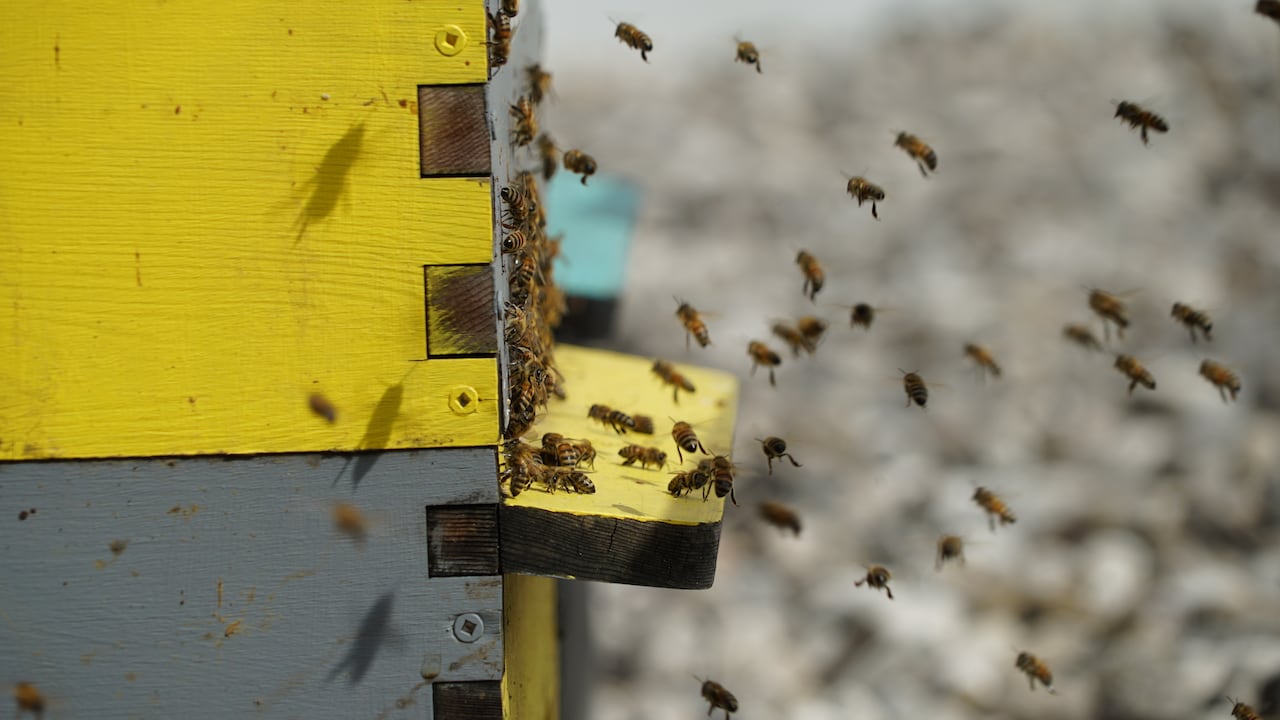
In 2025, more than a third of Ontario beekeepers reported losing their colonies, as per the Ontario Beekeepers’ Association. (Carmen Groleau/CBC)
Research Could Help Reduce Colony Losses
Kempers indicated that maintaining the health of honey bees has become increasingly difficult for beekeepers in recent years due to the loss of agricultural land and the emergence of new pests and diseases.
She emphasized that annual colony losses not only threaten the sustainability of the beekeeping industry but also adversely affect our environment and food systems.
“There’s reduced pollination and a decline in environmental sustainability,” she stated.
While research on bee gut microbiomes is relatively new, Kempers pointed out that Ontario beekeepers lost over a third of their colonies in 2025, and she hopes this research yields important insights to help reduce yearly colony losses.
“Bees need to obtain essential amino acids, proteins, carbohydrates, minerals, and vitamins from their surroundings… as our environment changes and resources diminish, this research may guide us towards potential supplementation,” she suggested, such as probiotics or prebiotics.
“We might be able to implement healthy support systems as beekeepers to assist them.”