

An energy agreement signed between Alberta and Ottawa in November outlined the interdependence of developing a new pipeline to the West Coast and implementing carbon offset initiatives. The proposed pipeline aims to increase oilsands production and facilitate exports to Asia, contingent on measures to mitigate the resulting carbon emissions.
The Pathways project, spearheaded by the Oil Sands Alliance, aims to capture and store 16 million tonnes of carbon dioxide annually from oilsands operations by 2045. Despite being in development for approximately four years, the financial and risk-sharing aspects between the companies, Alberta, and the federal government are yet to be finalized, missing the agreed deadline of April 1.
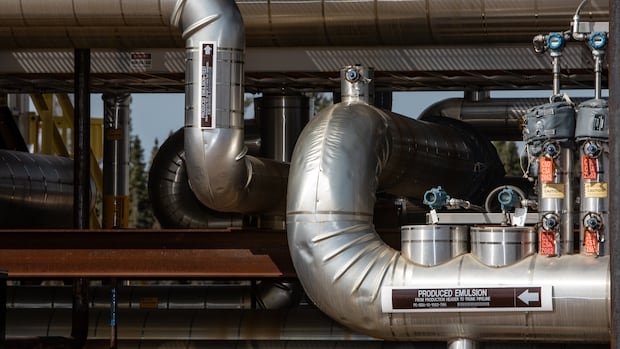
Pathways entails installing carbon capture equipment at oilsands sites to separate and compress carbon dioxide, followed by transportation through a proposed 650-kilometre pipeline network to a storage hub in Cold Lake, Alberta. The gas would then be injected deep underground for long-term storage.
While the project’s cost estimates are pending, initial investments are expected to reach $16.5 billion by 2030. Industry stakeholders are exploring ways to distribute financial responsibilities, with various government support programs in place to aid in funding. The federal and provincial governments have agreed to a target carbon price of $130 per tonne by 2040 to incentivize decarbonization efforts.
Clean Prosperity experts advocate for ongoing operational support and the inclusion of carbon contracts for difference to ensure long-term viability and certainty for investors. Despite some environmental concerns regarding the carbon pricing schedule, the agreement represents significant progress in making the Pathways project economically feasible.